

Argentine Fine Dining from Mendoza
Centauro was born in Mendoza and evolved with Argentina. Today it works with products from across the country and its own creative method: every dish begins with a question that challenges what the team thinks it knows. A Michelin Star restaurant where cooking is a collective process of inquiry.
Led by its Chef




Aris Pabón
Chef Aris Pabón trained at Gato Dumas and honed his craft under Pedro Bargero at Chila.
He participated in the Amarra cycle alongside Azafrán, Ruda, Animá, Herencia and Darío Gualtieri. He completed stages at Disfrutar (Barcelona) and Boragó (Chile). In 2024 he arrived in Mendoza to create Flor del Desierto, designing its menu.
In 2025 he took on the role of executive chef at Centauro, where he designed its first menu for a Michelin Star restaurant.
His method: Cooking Questions. Every dish begins with a question. Sometimes absurd, sometimes uncomfortable, but it always reveals something new.

Gastronomic Lab
A space where we facilitate the flow of ideas to drive innovation.
It has three pillars: an influence map, the dimensions of a dish, and the set of Mendoza products and producers.
Influence Map
An internal dynamic at Centauro where we engage in conversation with the world. What does it mean to converse with the world? To mirror the trends that speak to us: these trends may include Chefs, Movements, Artists, Musicians, and other influences that move us and lead us to develop ideas in an interactive flow.
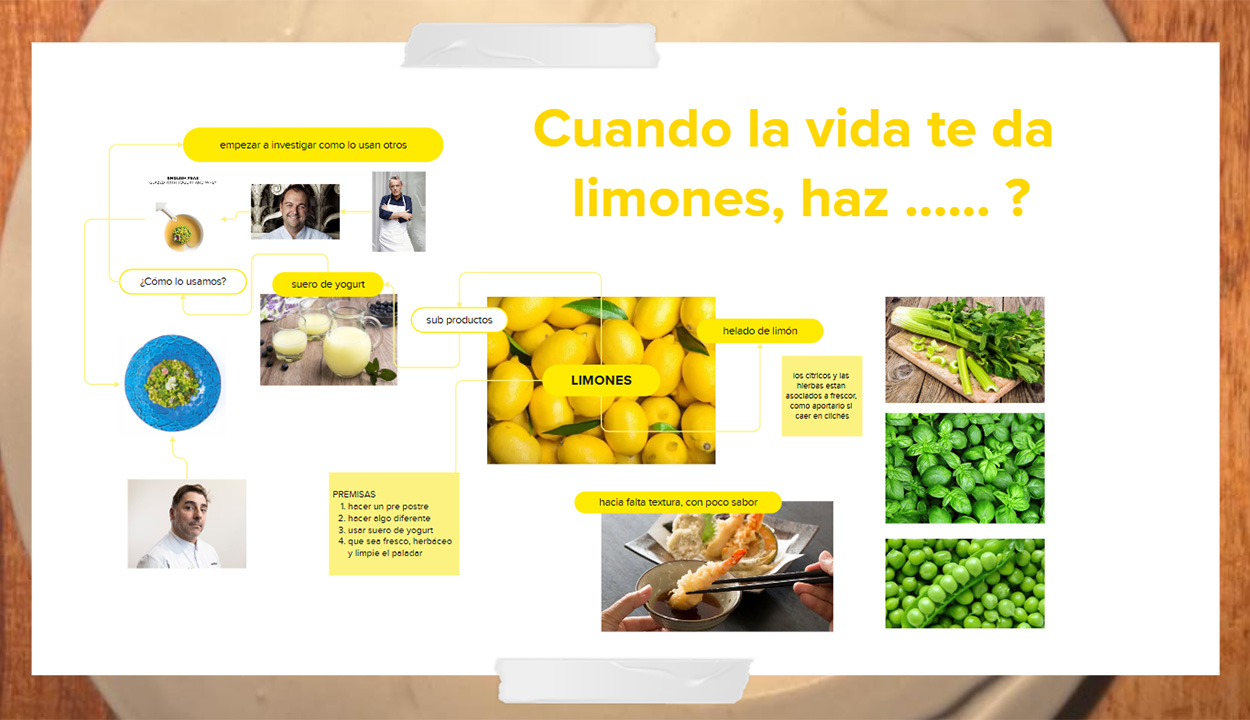
In the case of trout, the question was: "Can we make a trout ice cream?" The starting point was researching how others use the product. The hypothesis: to create a fresh, herbaceous pre-dessert that cleanses the palate, using by-products and yogurt whey. From that research came not just one dish, but three distinct uses of the same product.
The entire team contributes to the initial idea, collectively building toward the full potential of the final dish.
Dish Dimensions
Trout is not a dish it is a product that runs through three moments of the menu. We don't look at it only through two fillets; we also find value in its skeleton.
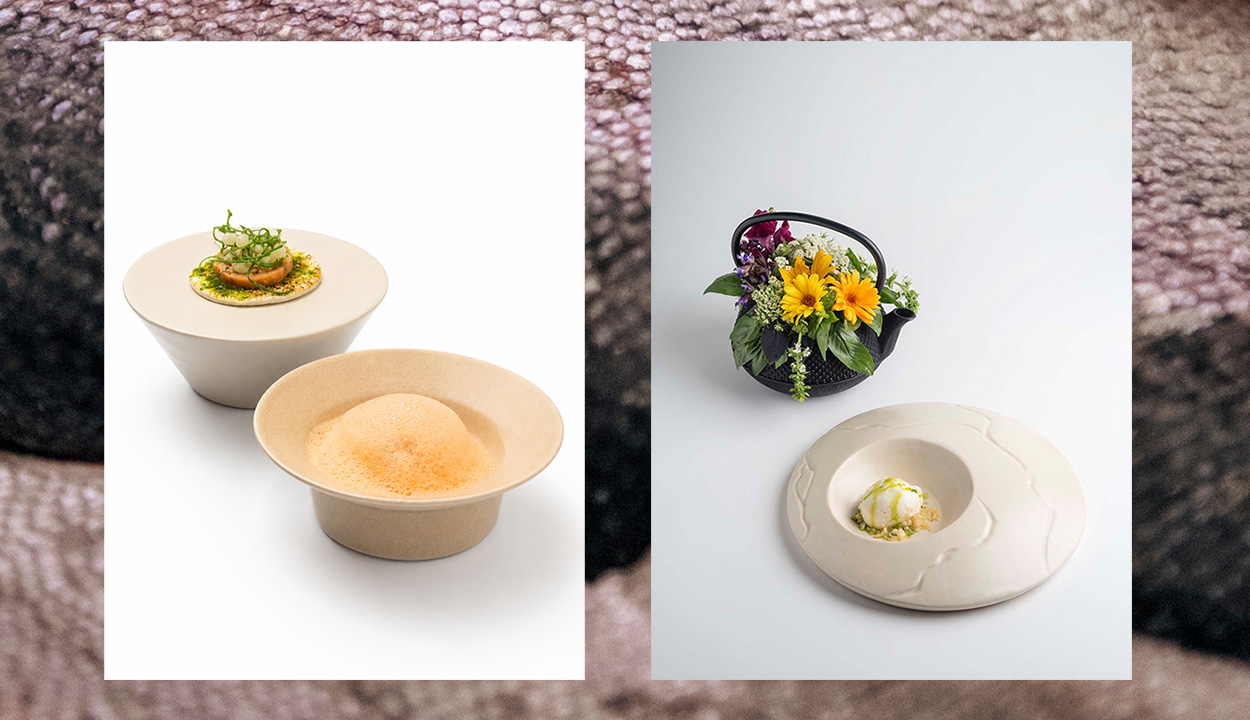
The three moments: • Course 6 / Irreverent Bites (ceviche-locro): Trout, squash, criolla foam. An innovative exploration between a locro and a ceviche. • Course 6 / Irreverent Bites (marshmallow): Charcuterie made from trout offcuts. Mortadella, pesto, spring onion, tempura. • Course 7 / Yes, Lemons (ice cream): From the skeleton, an ice cream is born. Lemon, celery, basil, yogurt. A fresh, herbaceous pre-dessert.
Profiles: acid-fresh (ceviche), umami-savoury (marshmallow), cold-herbaceous (ice cream). Textures: foam, crunchy (tempura), creamy (ice cream). One product, three languages.
Products & Producers
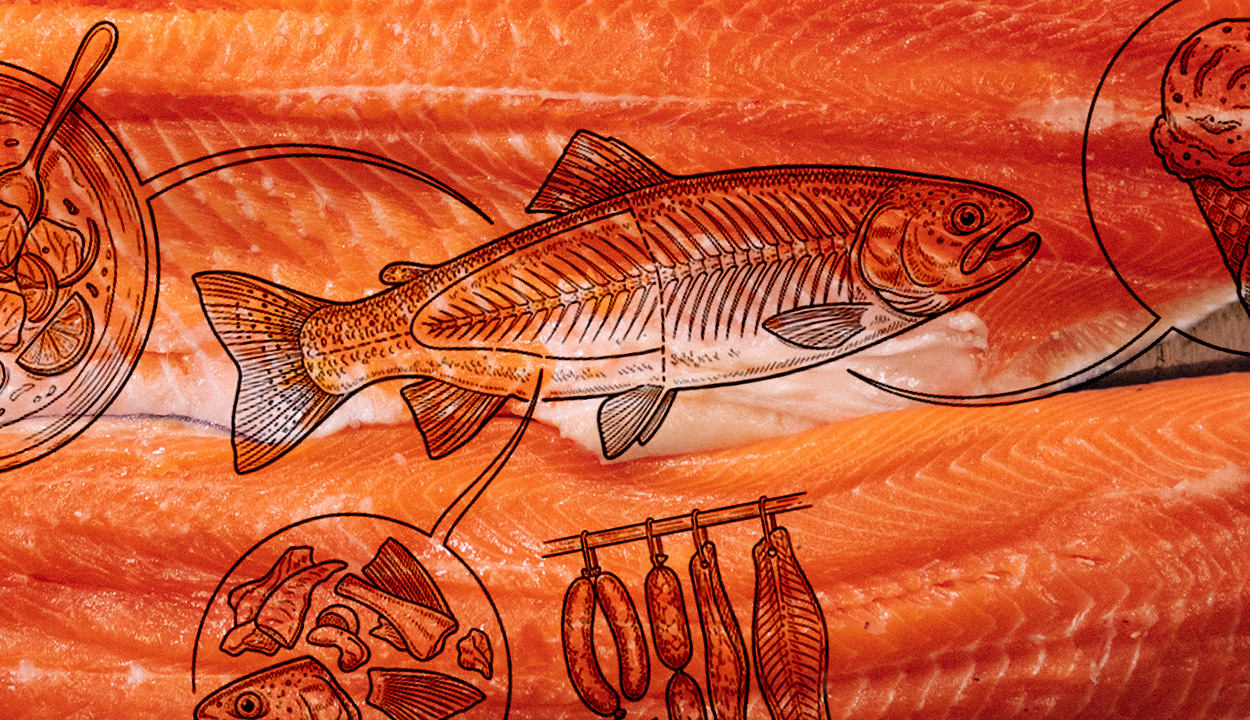
Trout as an example of total utilisation: the fillets go into the ceviche, the offcuts are transformed into charcuterie for the marshmallow, and from the skeleton an ice cream is born. Nothing is wasted every part of the product finds its place on the menu. This approach reflects the Centauro philosophy: it is not just about choosing good ingredients, but about finding value in every part of what arrives in the kitchen.
Local Economy
«Centauro» works with more than 20 local suppliers, incorporating fruits, vegetables, meats, mushrooms, honeys, cheeses and charcuterie into its menu. This approach promotes the use of local products in fine dining and encourages research into new product development, strengthening regional economies.
Collaboration with local producers and communities
Interaction between Creators
The Orange Economy reaches its full potential when it exists within an ecosystem — that is, when a complex interaction, interdependence and collaboration among all its members is present.
There is no single optimal formula for fostering interaction between different agents of the creative ecosystem. What is truly essential is ensuring that all players participate and are taken into account so the ecosystem can thrive.
Local Viticulture
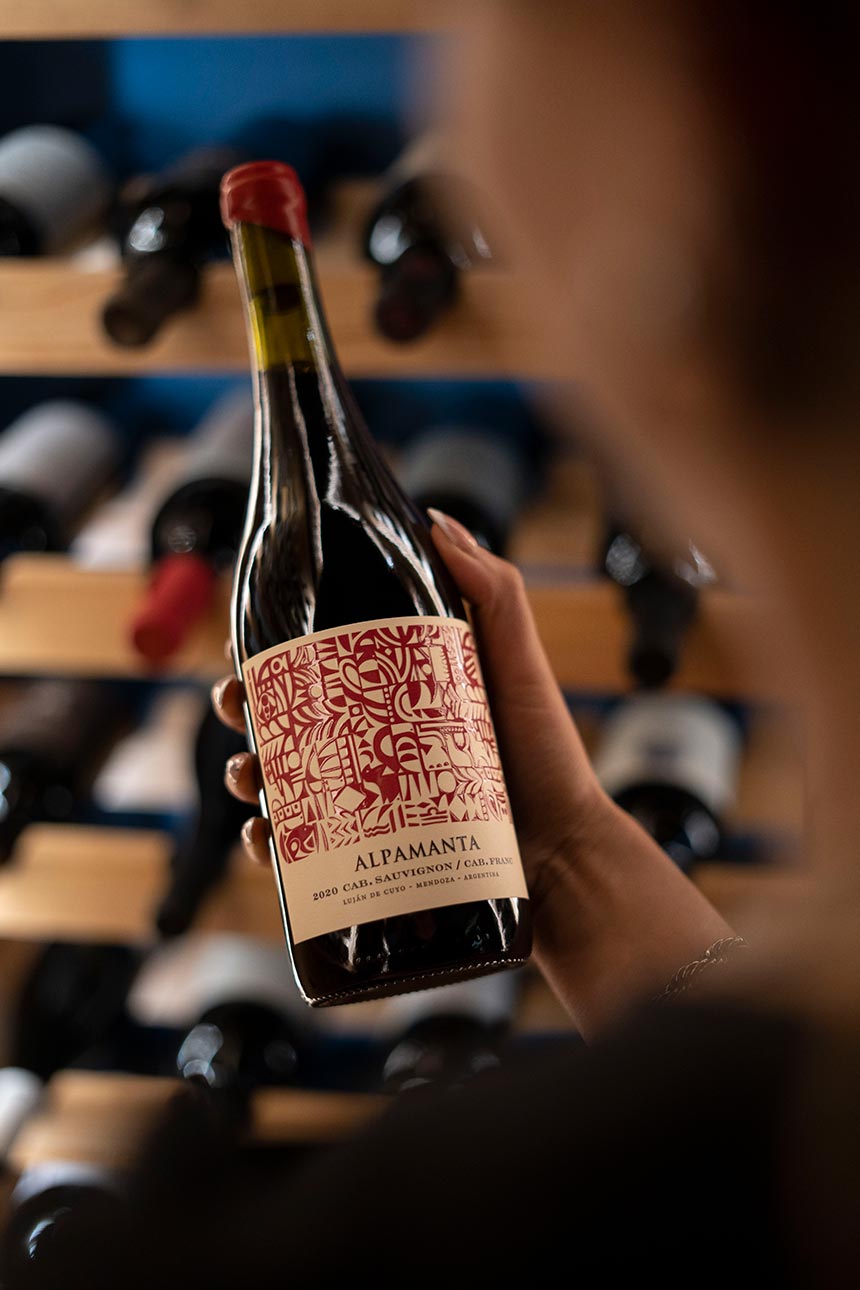
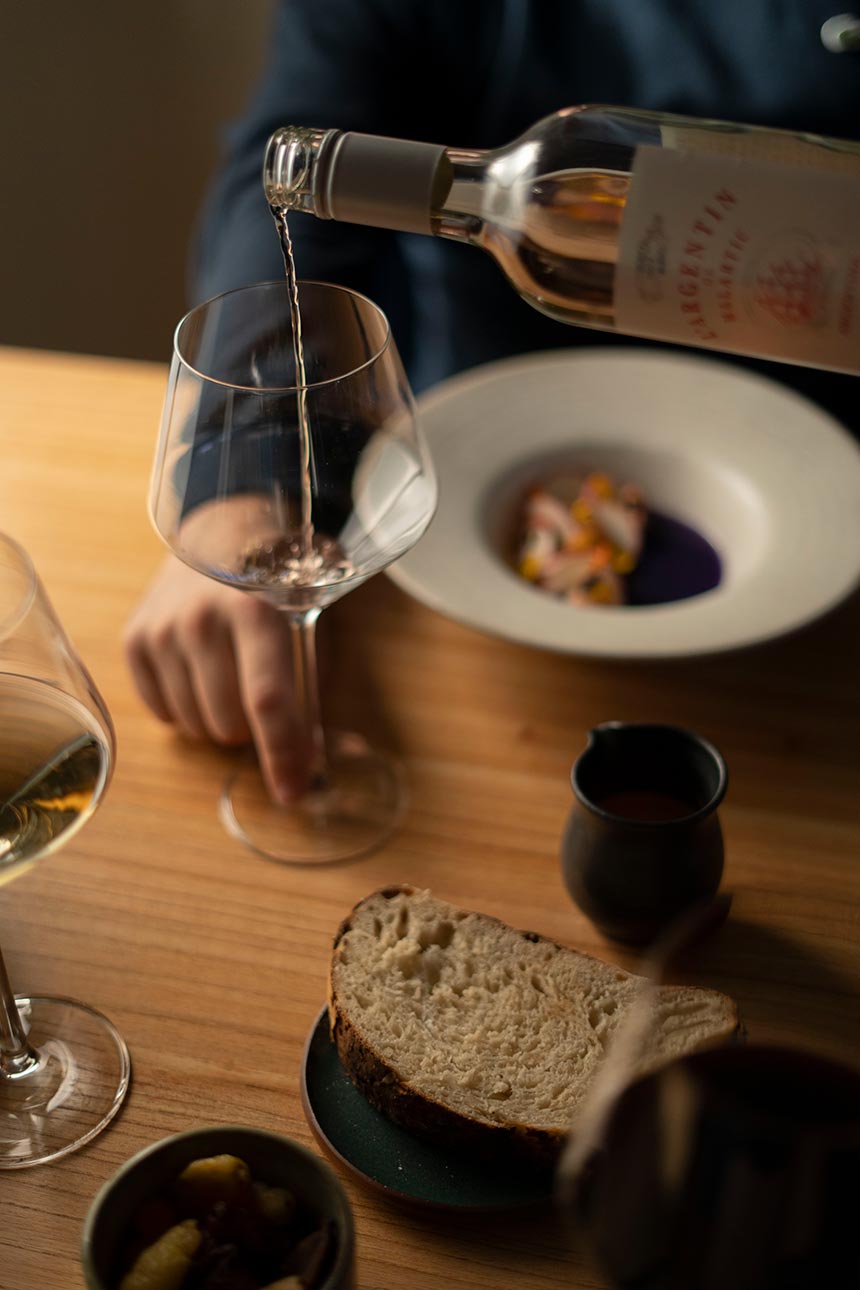
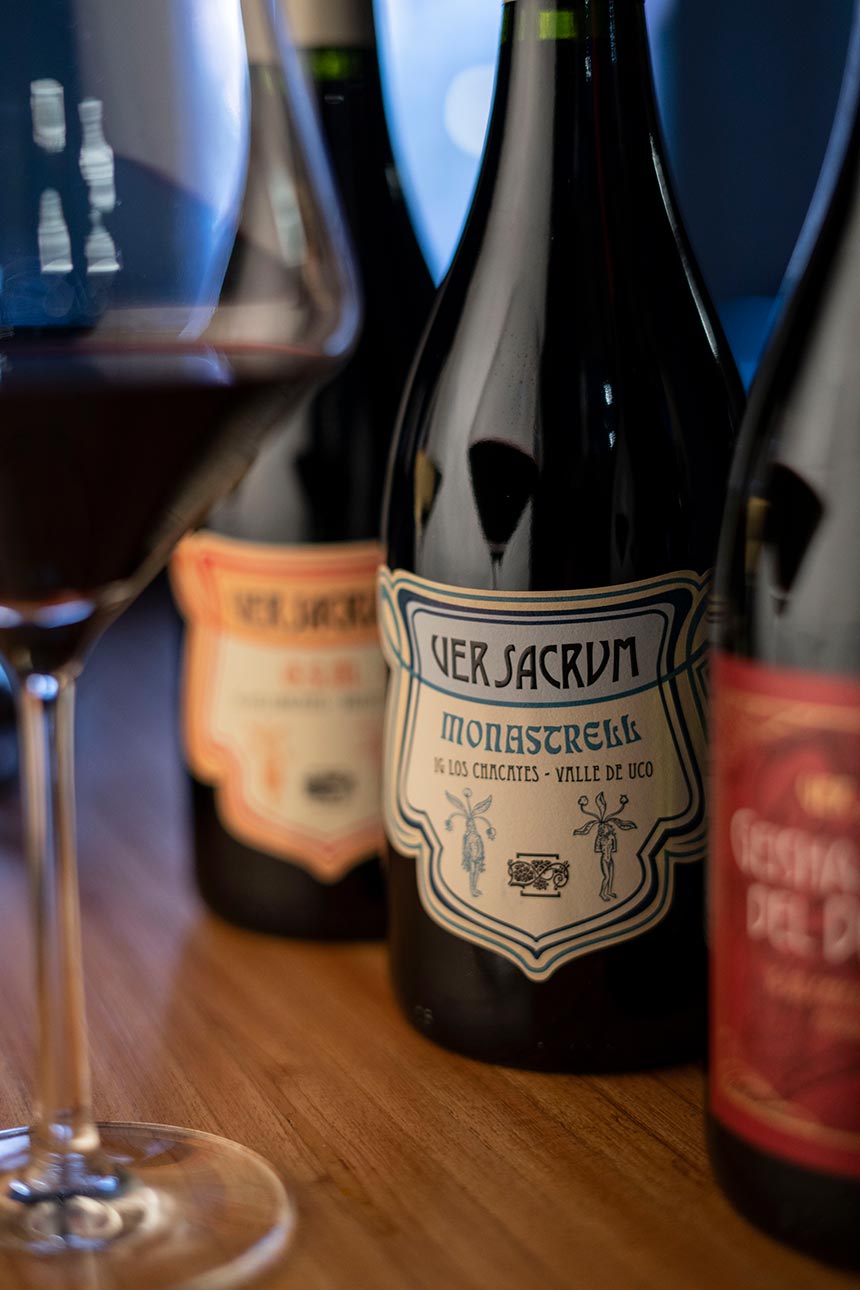
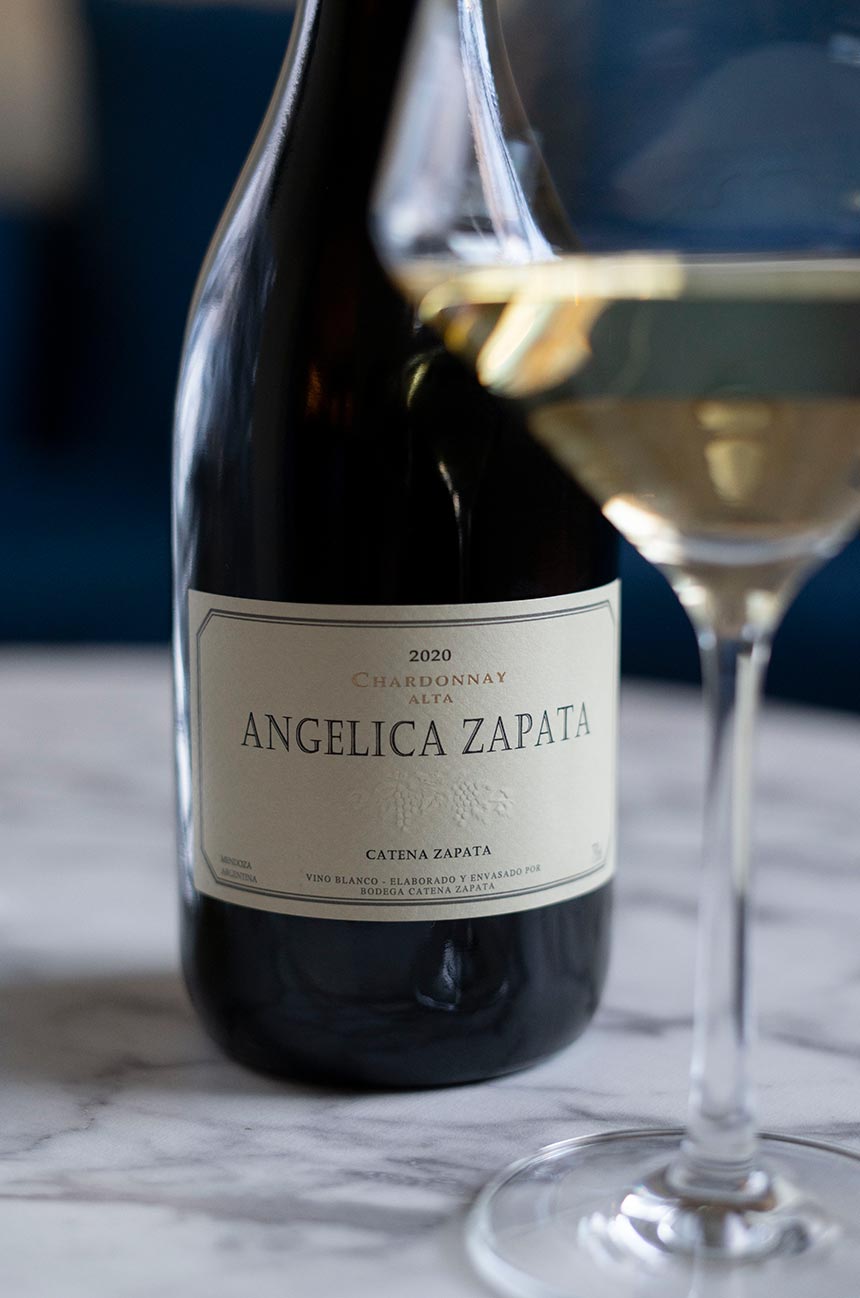
With more than 110 labels from Mendoza wineries, "Centauro" offers a wine cellar that reflects the diversity of the province's terroirs, supporting local producers and providing a unique enological experience to its guests.
Wine Cellar Purpose
To curate an exceptional selection of regional wines that complement and elevate the gastronomic experience offered by the restaurant, turning the cellar into a destination in its own right for wine lovers.
Regeneration & Sustainability

Centauro is carbon neutral.
Centauro offsets 40 tonnes of CO2 per year. This is not a slogan: it is an operational decision reflected in how we choose suppliers, manage waste and purchase inputs.
Technological Innovation in Traceability
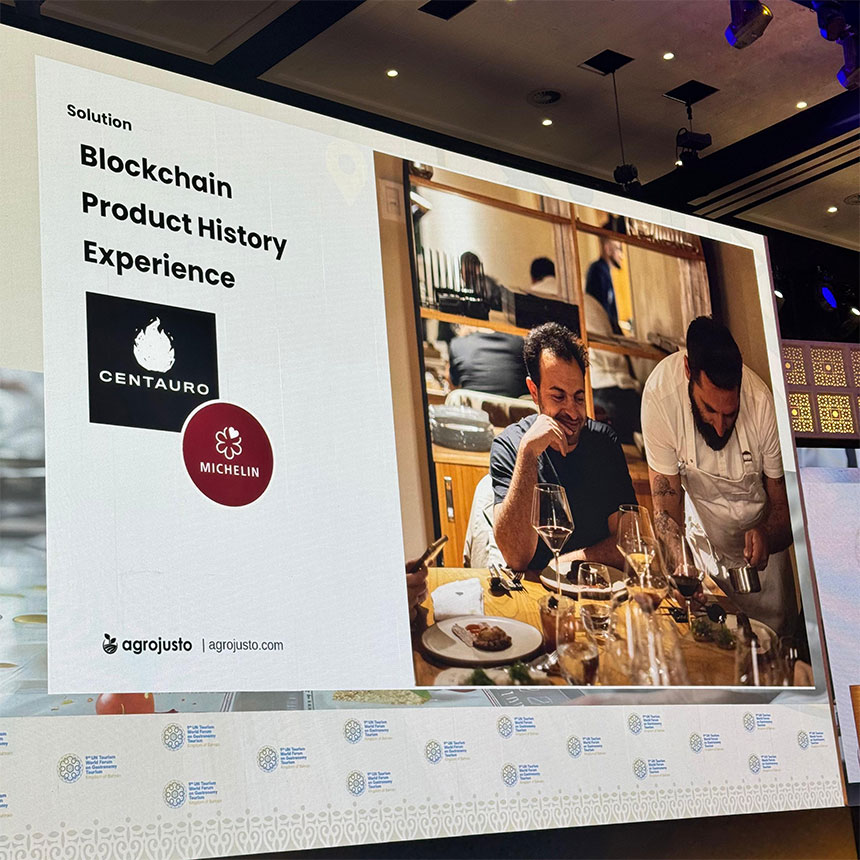
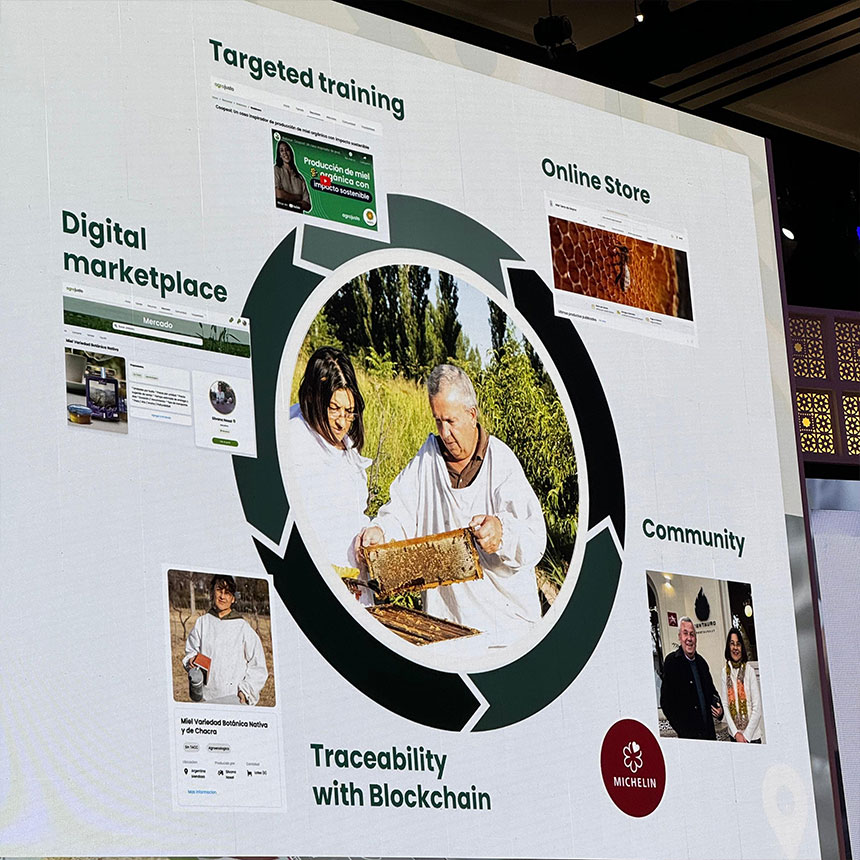
Gastronomy 3.0 is a cooperative project between Agrojusto, Centauro and Huerta Roma.
Its purpose is to bring transparency to product traceability using Blockchain technology.
To document agricultural best practices and measure their impact in the finest detail.
Guests at Centauro will be able to access detailed information about each appetiser: When was it grown? When was it irrigated? When was it harvested? When did it arrive at the restaurant? And finally: when does it reach the table?