Essay IV / The Colour That Deceives
By Emanuel Facello · Centauro Kitchen, Mendoza
10 agosto, 2026
Sobre la teoría cromática y el plato de remolacha de Centauro
Chef Aris Pabón burst onto the scene with his first menu featuring a dish the colour of beetroot. It wasn't a Centauro menu — it was Flor del Desierto, our other restaurant half a block away, with a different kitchen but the same team. Yet the dish found its destiny on its own, the way well-made things find their destiny: by migrating. Today it is course 2 of the Centauro tasting menu, and it has already become an emblem.
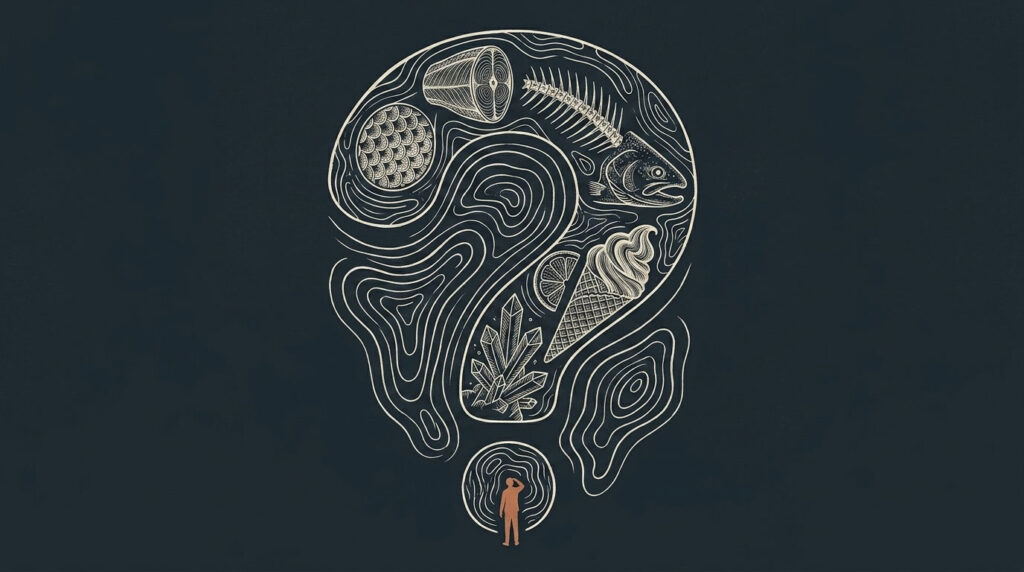
The process begins as it always begins with this team: with a question. Beetroot and peanut? Written like that, with a question mark, as if the idea weren't yet sure of itself. From that doubt the map expands — colour theory, monochromatism, preparations, combinations that make it in and combinations that never reach the plate. Lardo was in the idea. It never made it to the table. That too is the process: what is discarded defines just as much as what remains.
The dish seeks to emulate the chromatic theory of El Celler de Can Roca: if two products share the same colour, they will produce the same effect on the diner. They put it better than anyone: "The aim is to activate psychological associations to a colour, so that it has an influence on mood."
From that monochromatic principle, the dish unfolds in layers of flavour: sweet from the beetroot, acidic from the fresh strawberry, umami from the satay — peanut sauce, garlic, ginger. Ribbons of beetroot wrapped in that sauce, mixed with beetroot in various textures: beetroot relish and beetroot mustard.
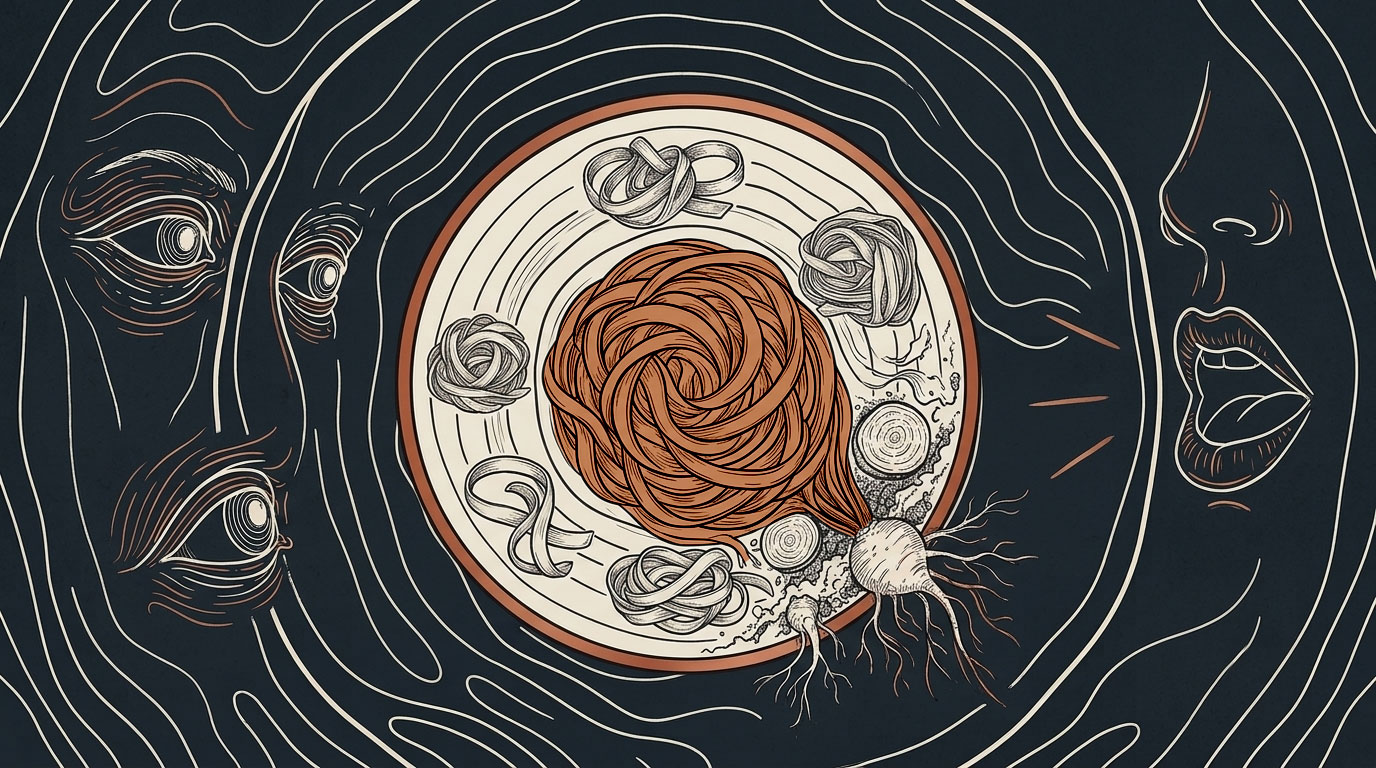
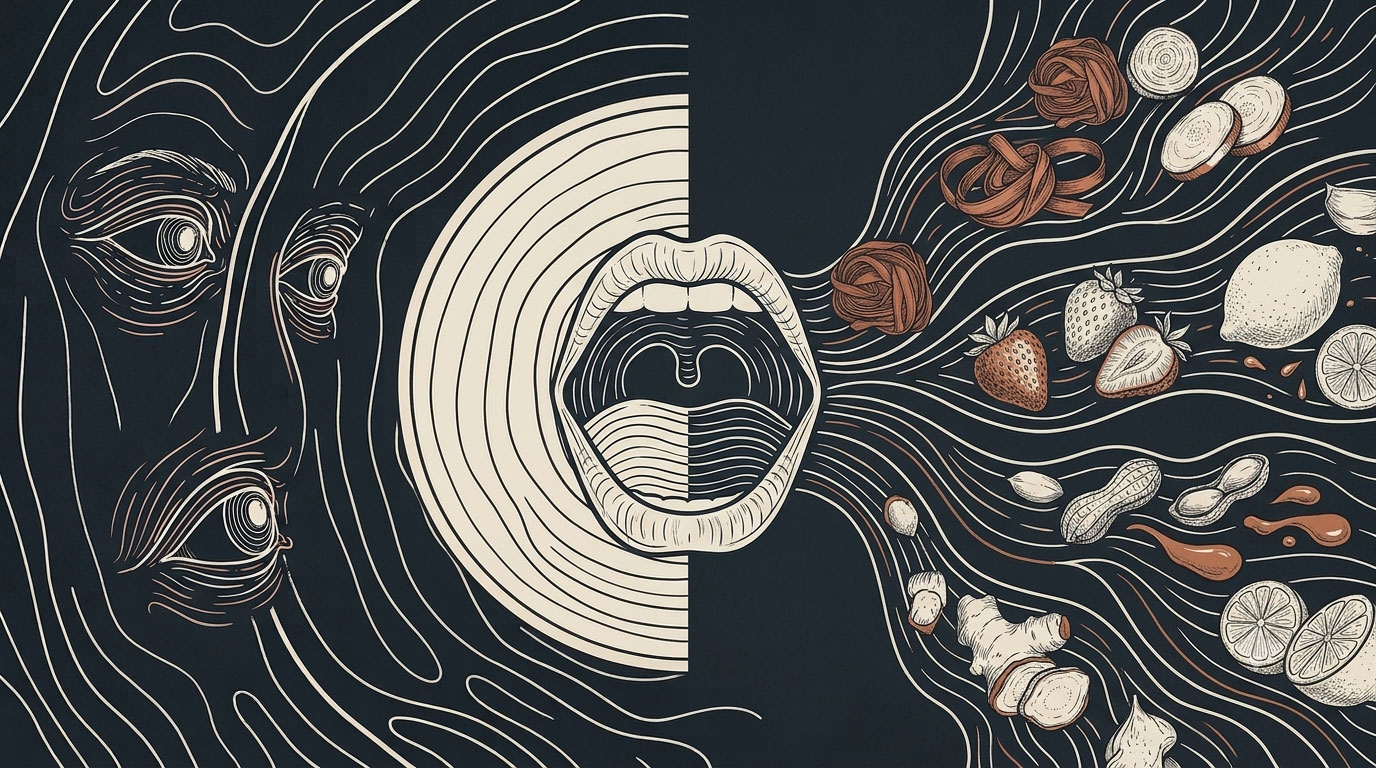
When it arrives at the table it looks like pasta. The deception begins before the mouth — it begins in the eyes. The result carries oriental nuances, though one can't quite place them as Japanese or Indian. The ingredients are few and the result is overwhelming.
Monochromatism turns out to be the antechamber of a psychomagical act. The eye sees one. The mouth finds many.
That is how Centauro works: what seems foreign finds its place. What was born somewhere else ends up becoming an emblem.